Any sign of life.
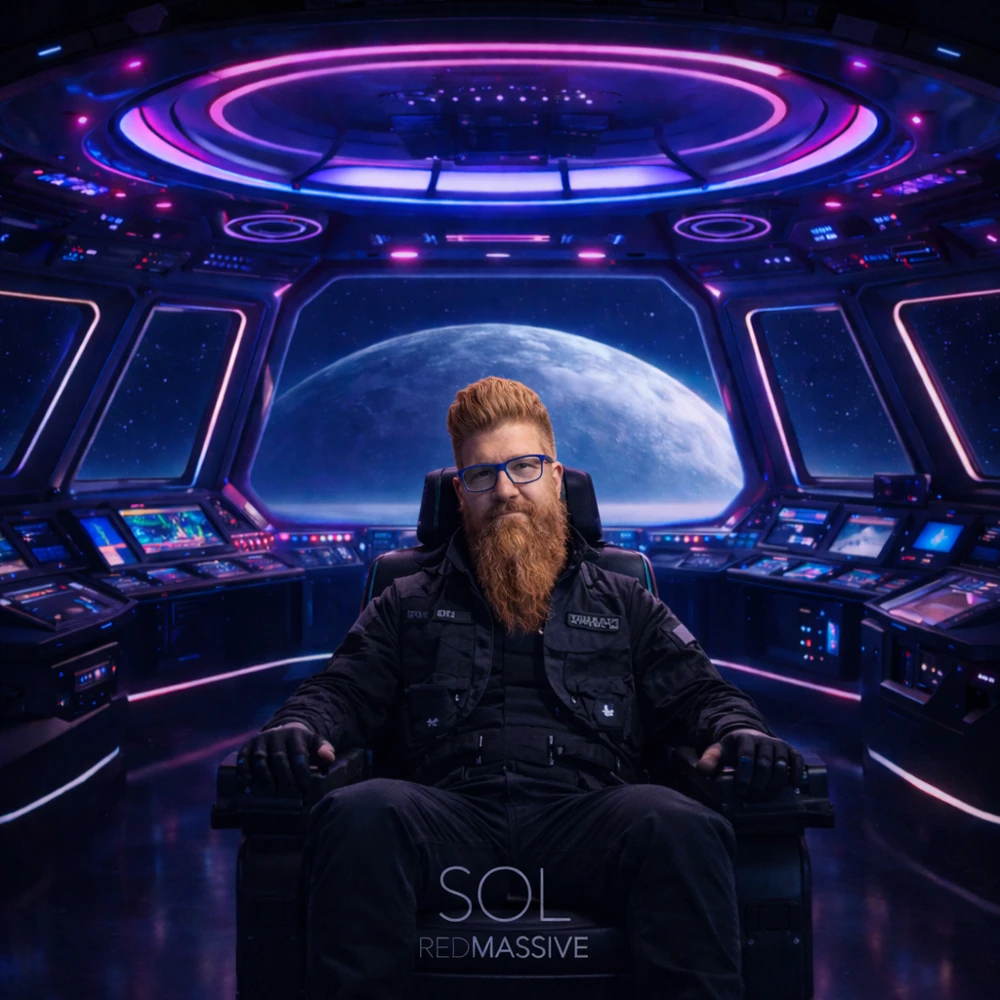
Before there was a lonely spaceman, there was a small desk by an apartment window.
That’s where Jason Lowe made SOL: after his daughters were asleep, after a day spent using his digital media skills to keep the bills paid. He would build sounds, record, and mix until daylight reached the window. Then he’d make coffee and step onto the tiny front porch, sometimes joined by a daughter blinking into the sunrise.
Those mornings were scary and sacred. The night had produced something he could point to. Some evidence that he was still here.
RedMassive grew out of a lifetime in music. Lowe played in bands, performed acoustic covers in coffee shops, and worked as a worship pastor in churches of enormous scale. A professional opportunity with gospel artist Russ Taff never reached the touring stage. The church career brought its own distance between what had been promised and what life inside it became. At his lowest, desperation to escape nearly cost him his life.
Music remained a source of inspiration he could trust.
During the Covid pandemic, amid divorce and the unfamiliar rhythms of single fatherhood, that relationship became essential. People who had once felt close seemed impossibly far away. He questioned his abilities, his future, and whether anyone really understood where he was.
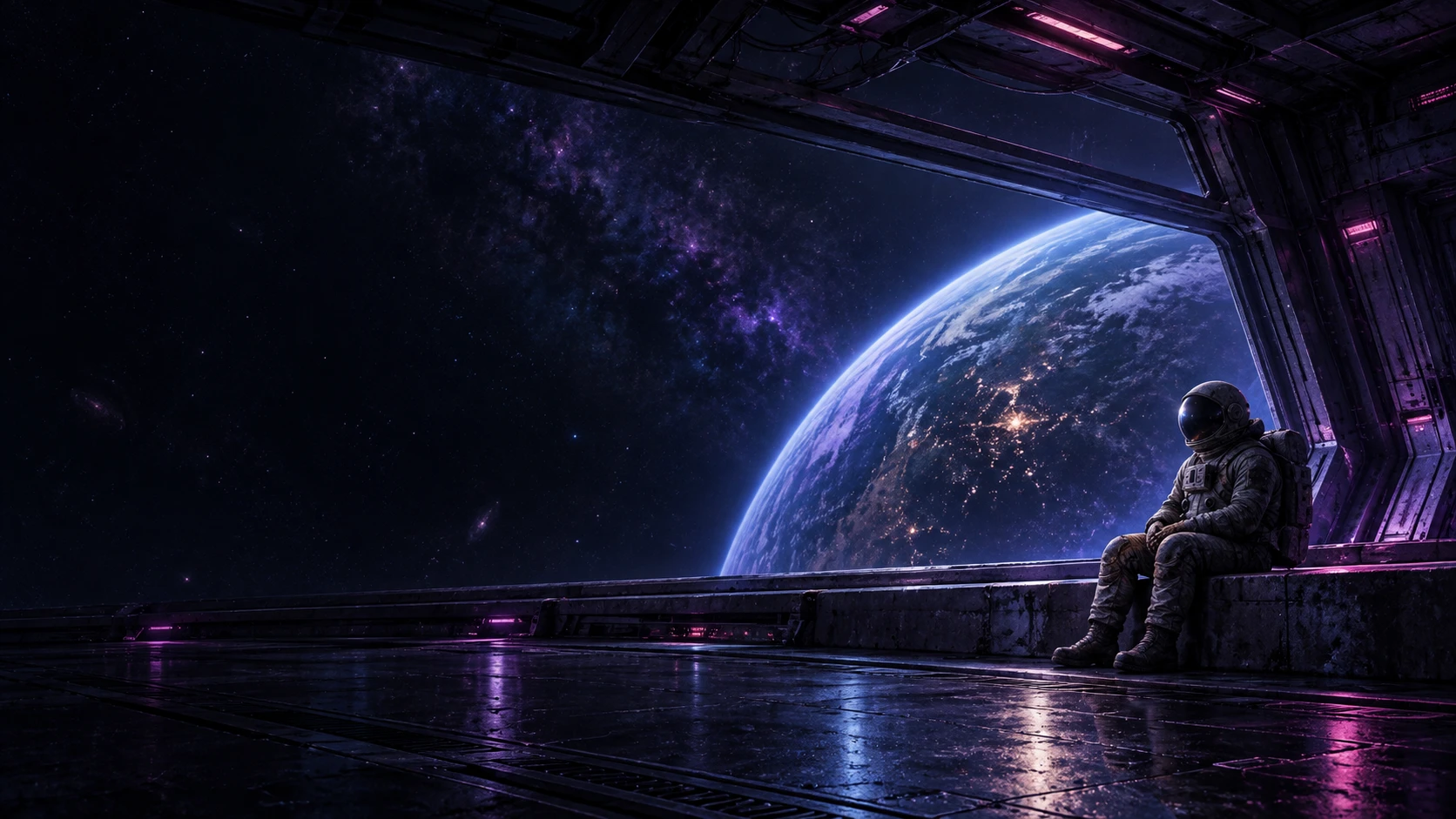
The spaceman belonged to that experience: a person still alive inside the suit, trying to make contact.
Lowe created roughly 98 percent of SOL himself, shaping and modifying most of its sounds from scratch, with selected loops and effects completing the recordings. Each track gave a particular state of mind somewhere to live. Once a piece was finished, he would keep listening—sometimes falling asleep to the same music he had spent the night making. The recordings still hold those moments closely enough to take him back.
The album also reaches beyond his own isolation. “A Happy Song About Sad Stuff,” his response to George Floyd’s death, follows the idea of one voice becoming many. Its accumulating complexity reflects the difficult conversations that justice demands, and the weight of trying to make yourself heard.
SOL begins a planned collection of three related projects. SOUL will expand into a large-band setting with horns and guitars. SOLE will draw closer, placing vocal performance and a few simple instruments at its center. Together, they give Lowe room to explore different scales of the same human need: to express something honestly and have it reach someone.
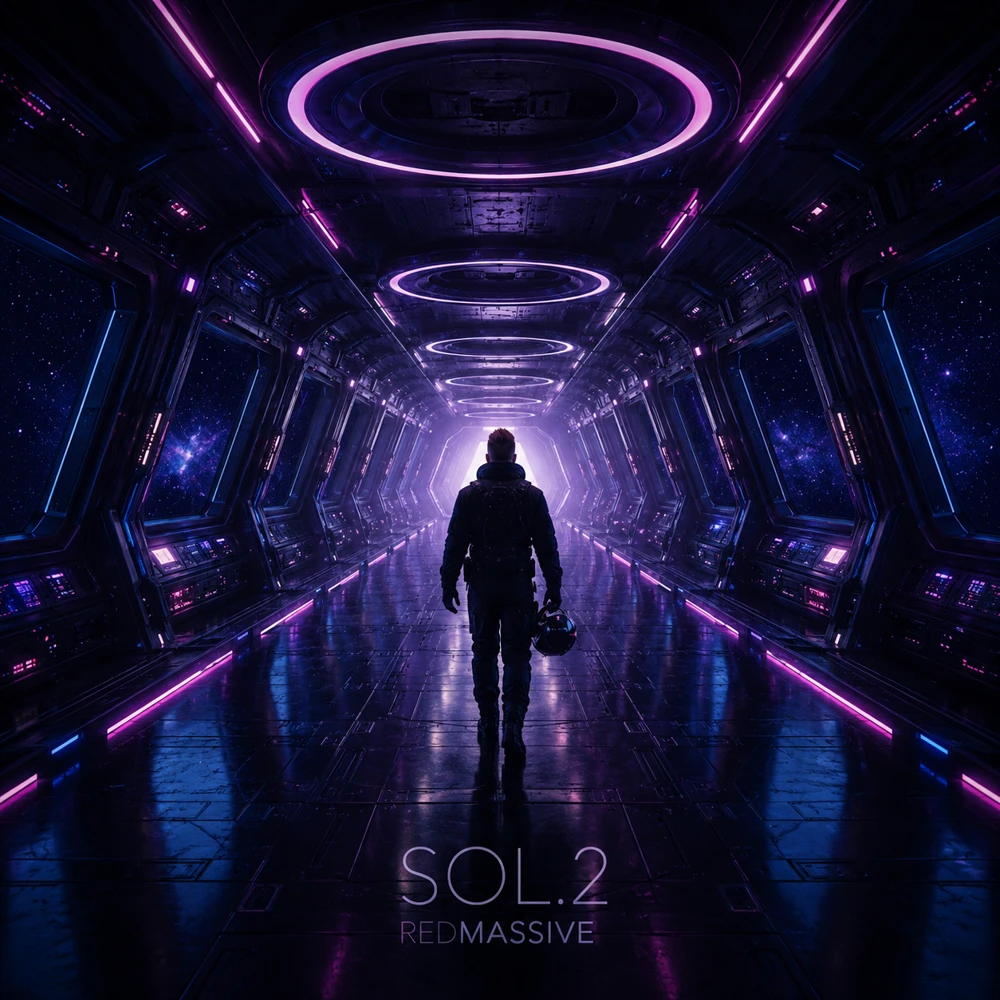
For now, SOL and its companion release, SOL.2, document the nights when creation helped him find himself again. There is uncertainty in these recordings, and grief, and the stubborn impulse to make something beautiful while life is still unresolved.
Somewhere, a father is sitting at a desk by the window. His children are asleep. He’s making any sign of life he can.
By morning, there is music.